Community
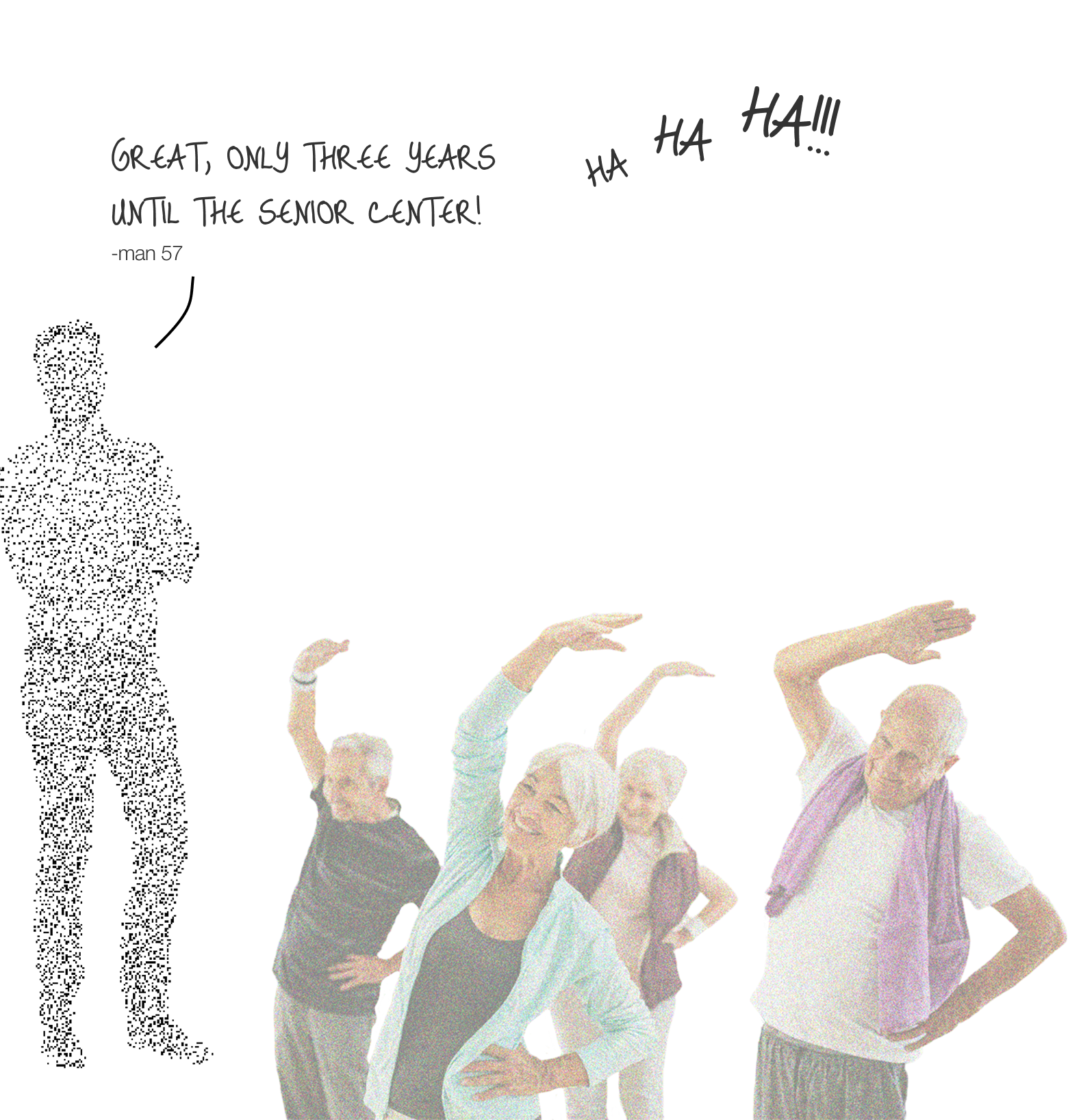
Social connection is a primary motivation for attending organised training groups.
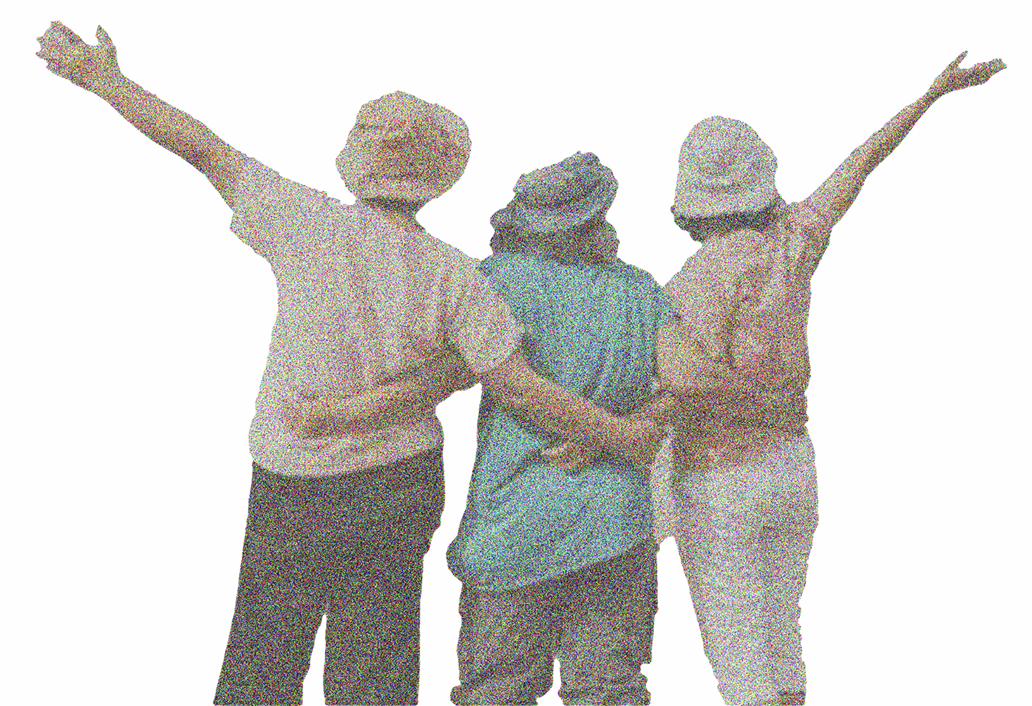
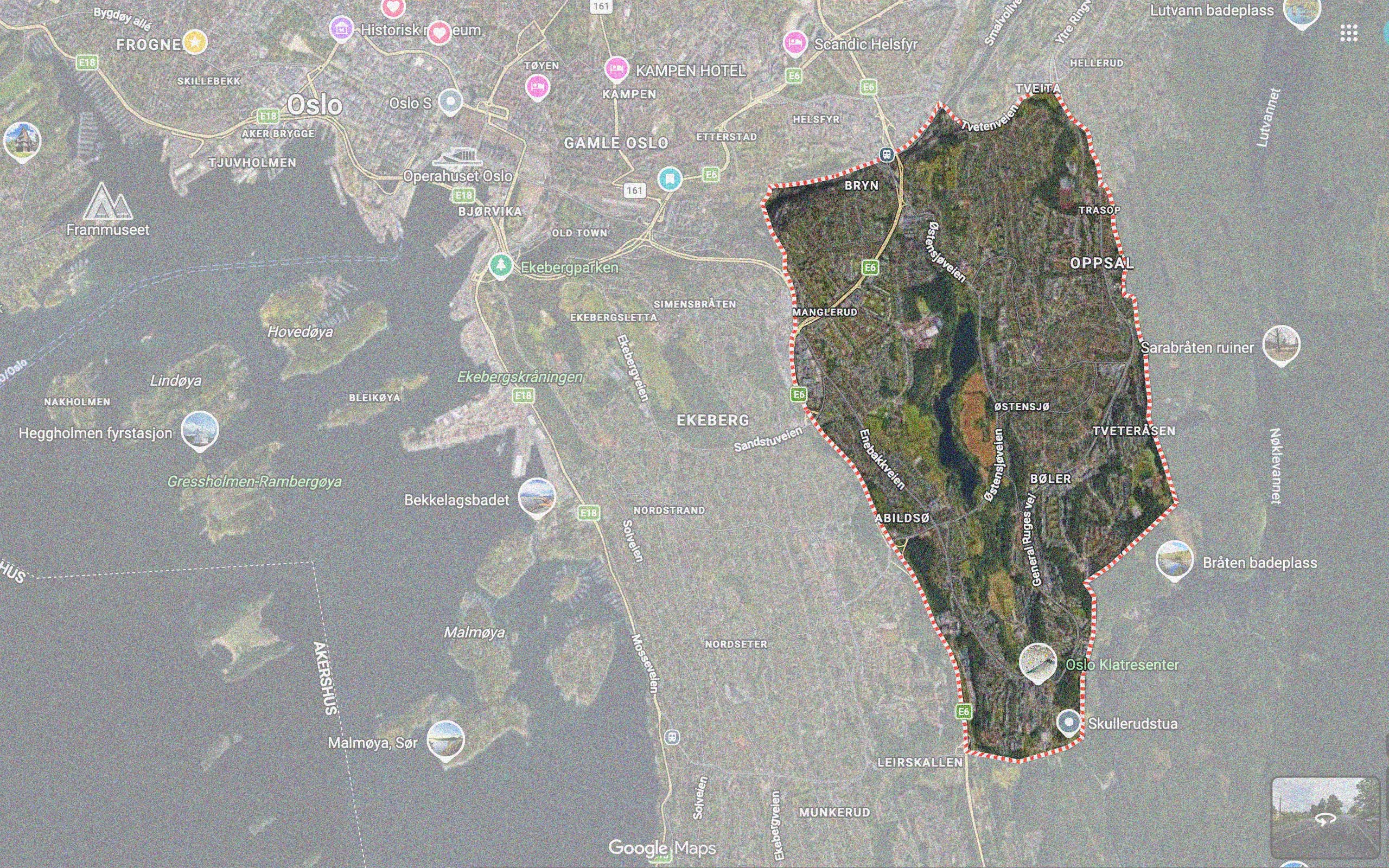
An aging population is growing. We're living longer and there are more of us. This is fundamentally positive, but it challenges how we organize society. The public sector cannot bear full responsibility for the elderly alone.
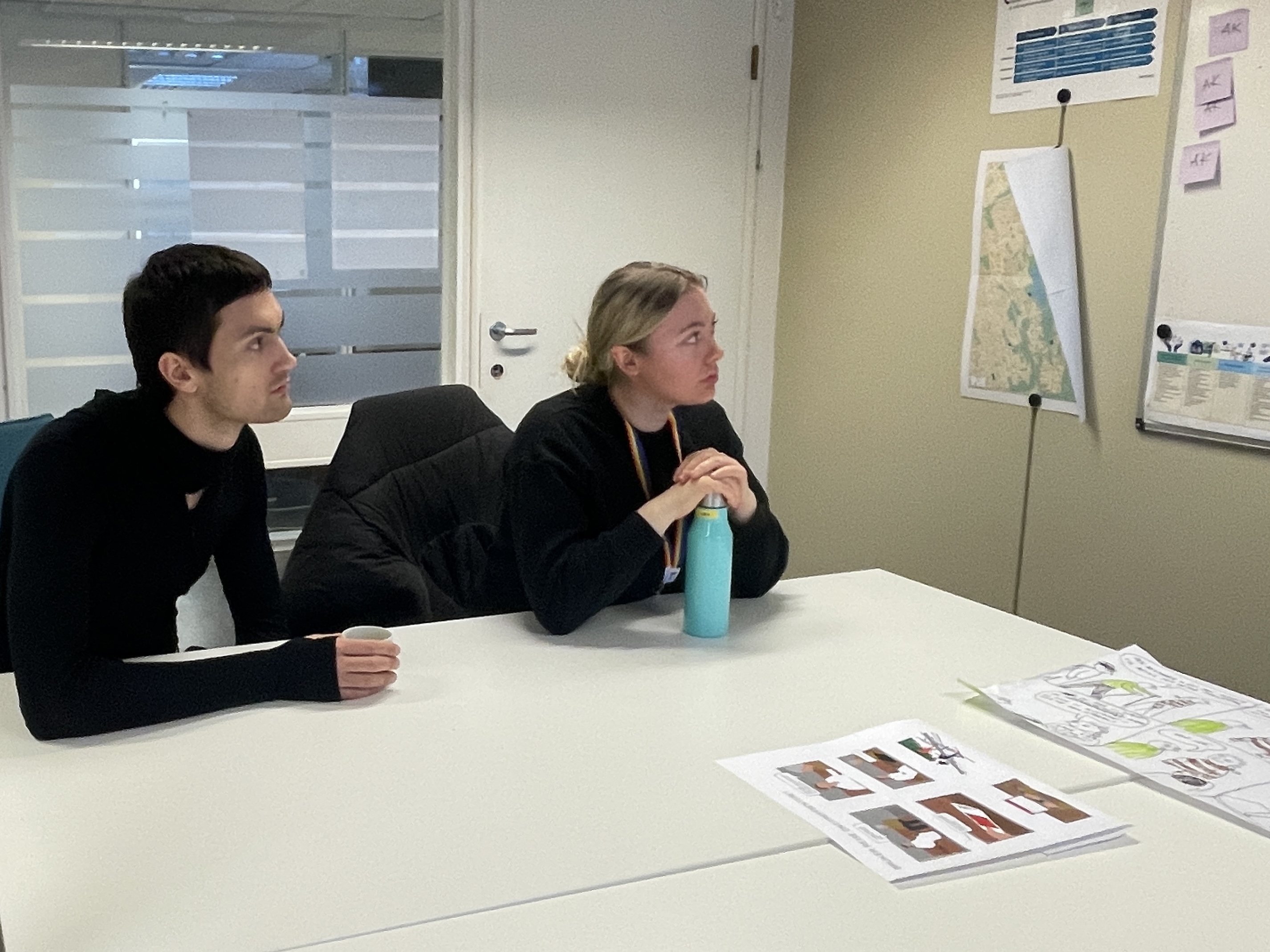
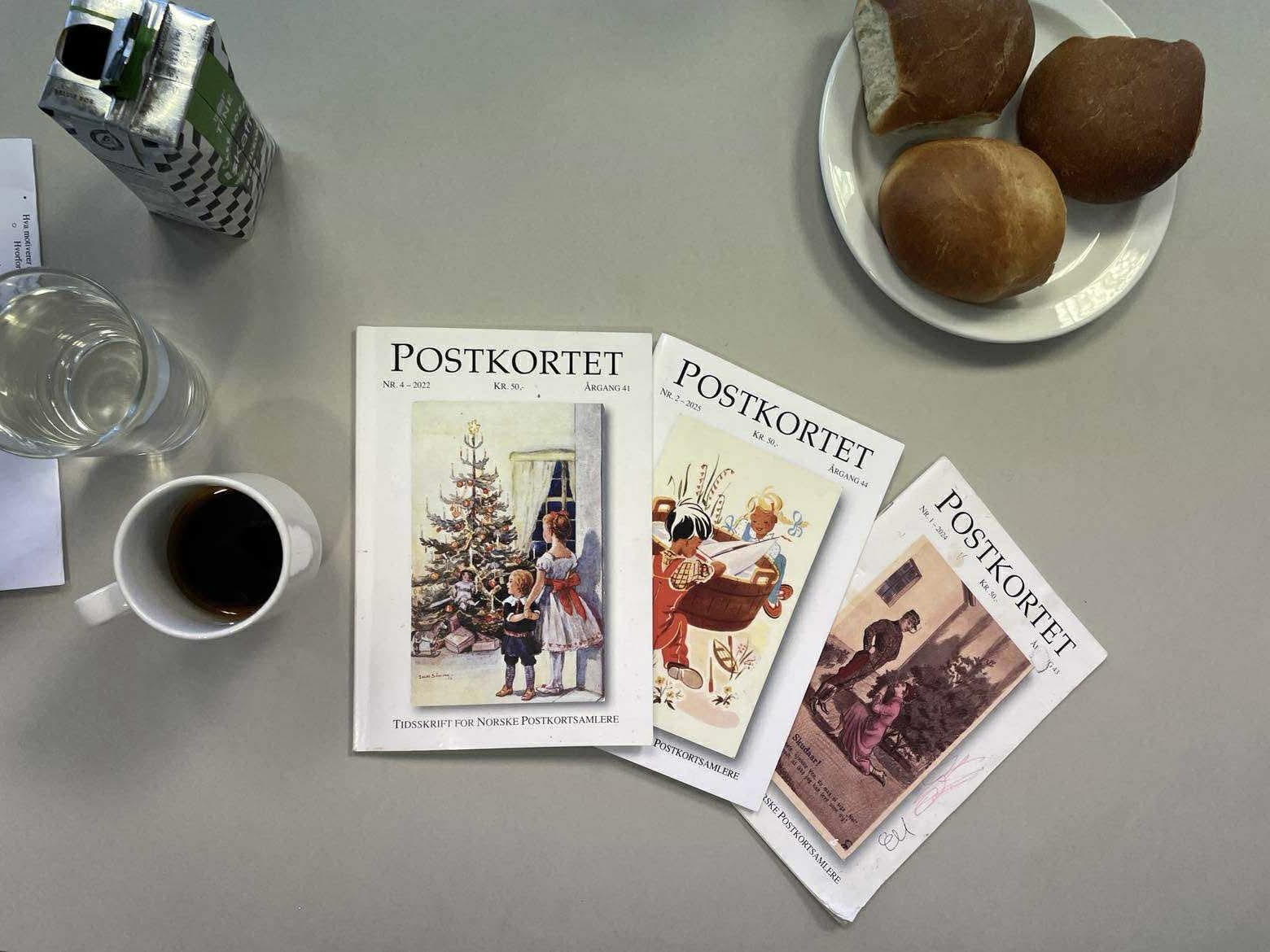
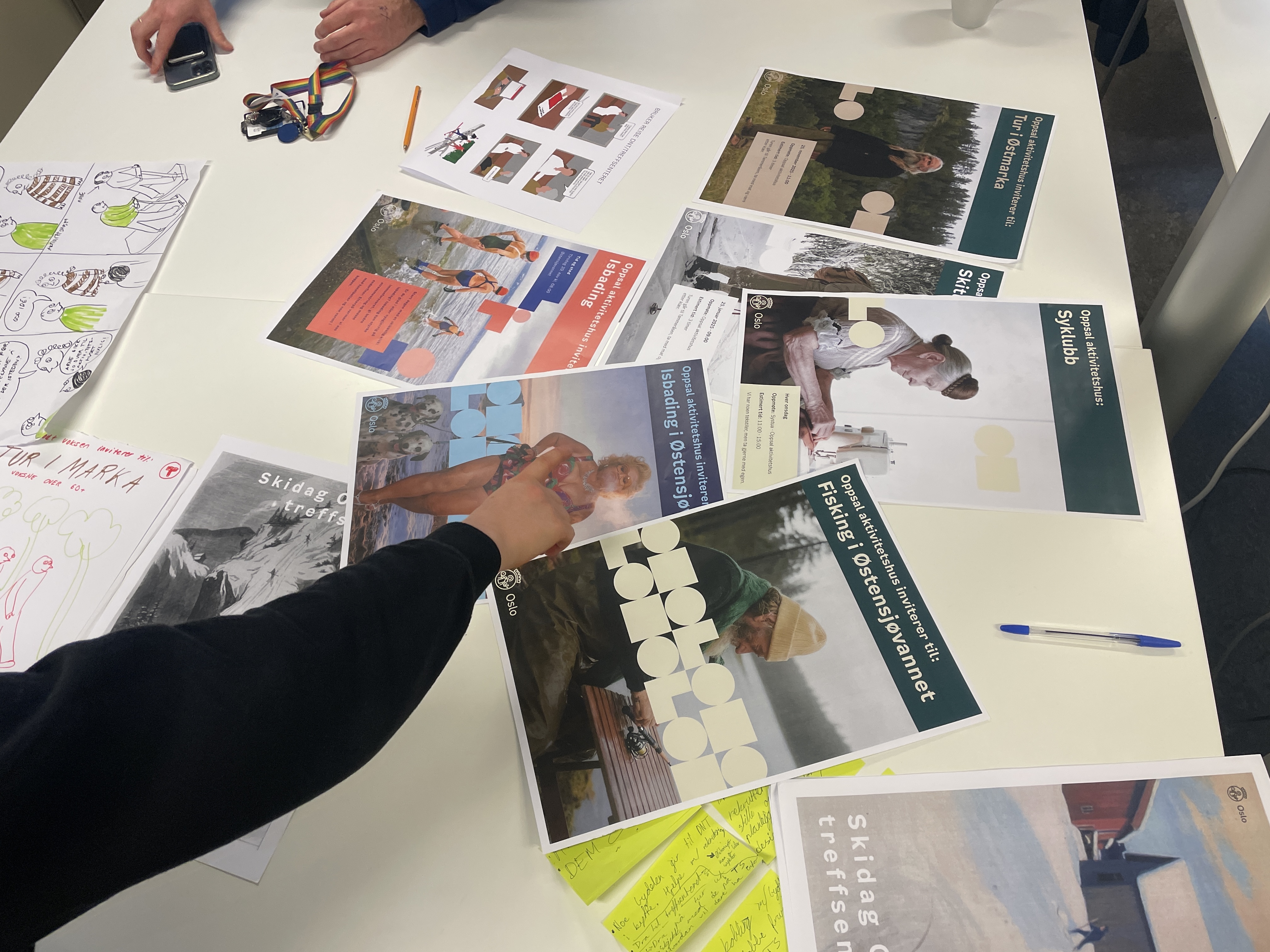
Social connection is a primary motivation for attending organised training groups.
Communication should not only provide information, but also help the target group feel both reached and seen.
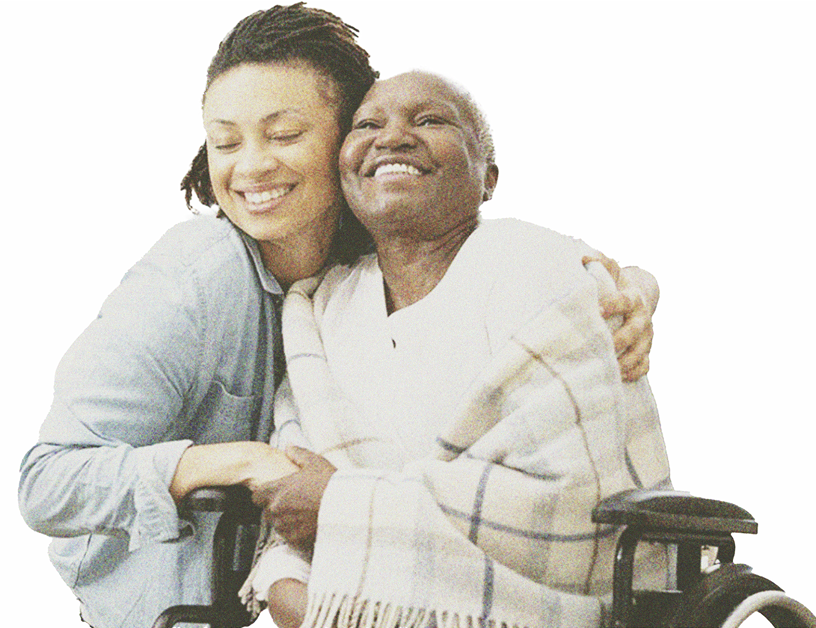
Recommendations for physical activity are often introduced only after people begin experiencing health issues.
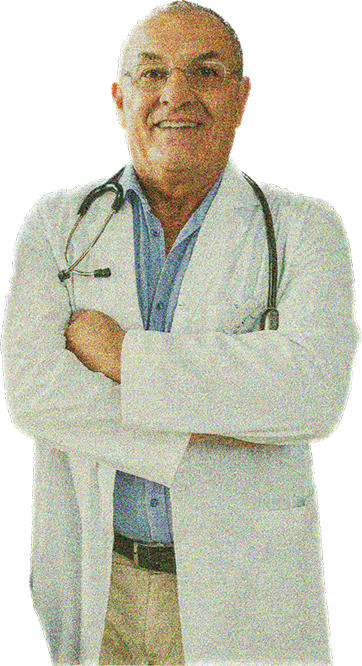
The target group needs to feel represented.
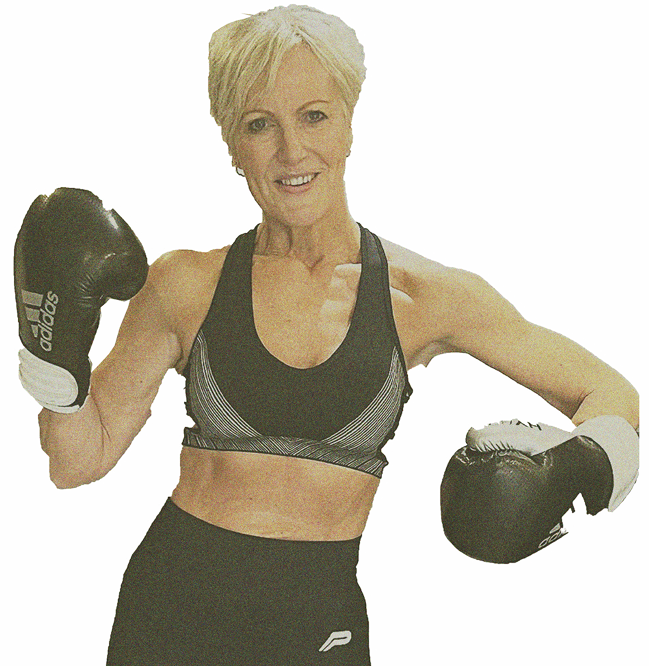
Although many free activities already existed, they remained underused. Our solution was to connect public exercise programs for retirees with DNT to create a more engaging and socially motivating service.
DNT holds a strong position in Norwegian culture and is widely associated with nature, community, and an active lifestyle. For many, it represents an organization they aspire to be part of — something that can feel more inspiring and identity-building than a publicly funded exercise program for older adults.
Our concept includes onboarding, collaboration, a structured transition, rebranding, community events, and volunteer hiking hosts.
User is isolated and physically inactive.
The user receives information where they are, through both analog and digital channels. Their doctor recommends publicly funded exercise programs.

The user is welcomed by DNT’s volunteers and introduced to a wide range of activities that meet different social and physical needs.
When users need assisted training, they are referred to the district’s activity houses — places they already know through DNT events hosted there.
Associated with activity, not care.
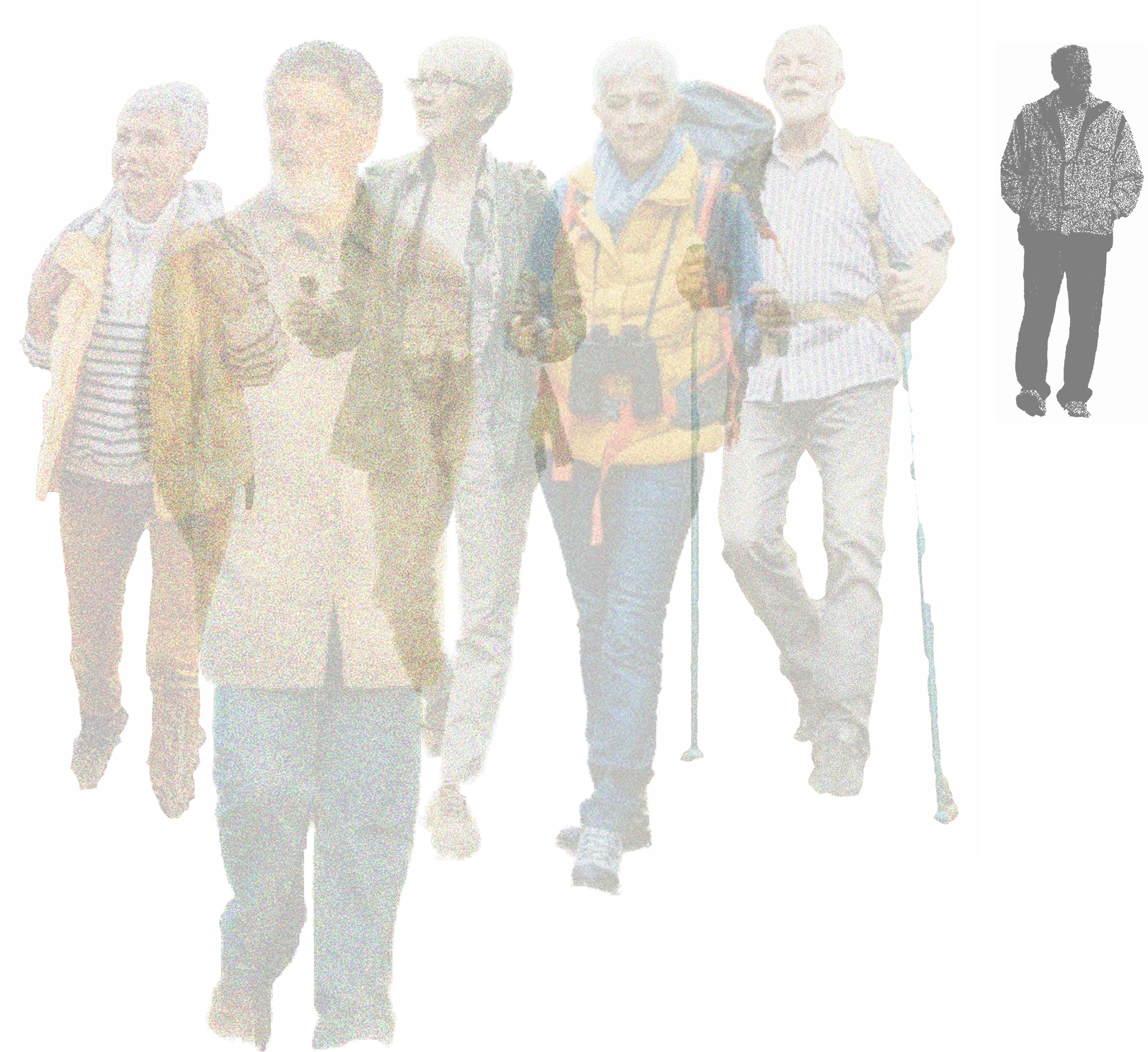
We redesigned DNT to feel more welcoming and less intimidating to people with little experience in physical activity.
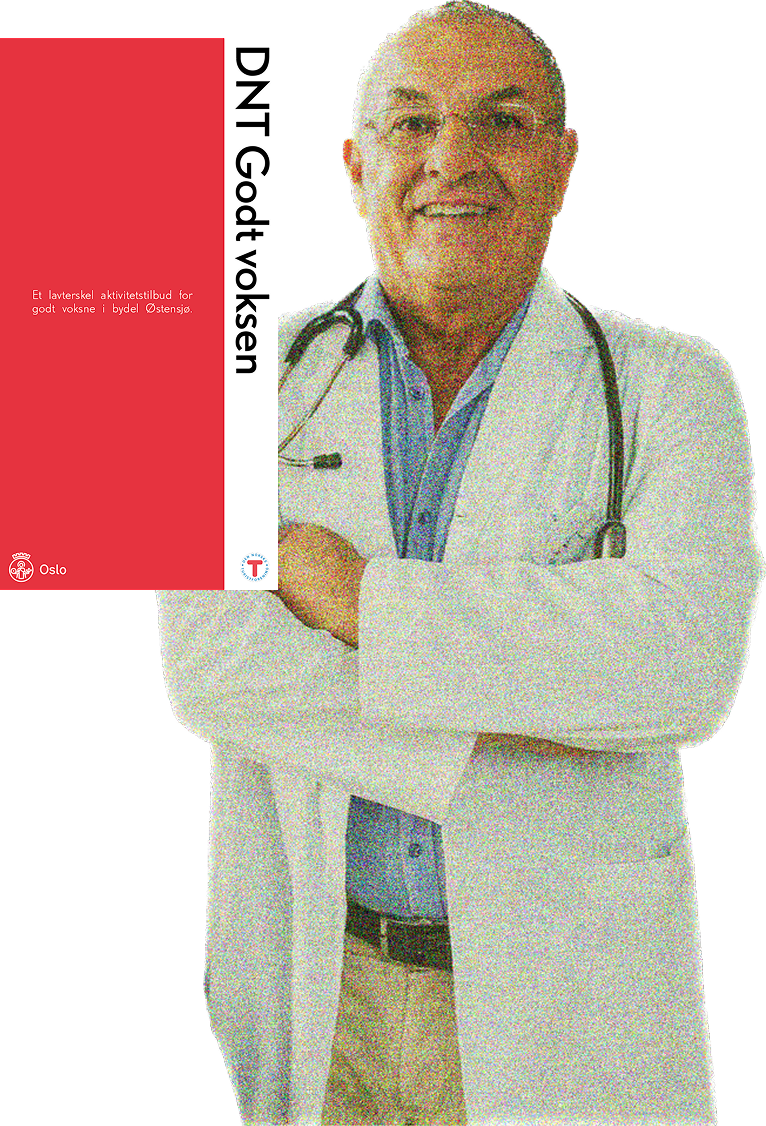
We renamed DNT Senior to DNT Godt Voksen to create a more inspiring identity that the target group would want to be part of.
The activities are offered at different levels of difficulty and social intensity. Some are designed to appeal to more introverted participants, while others emphasize community and social connection.
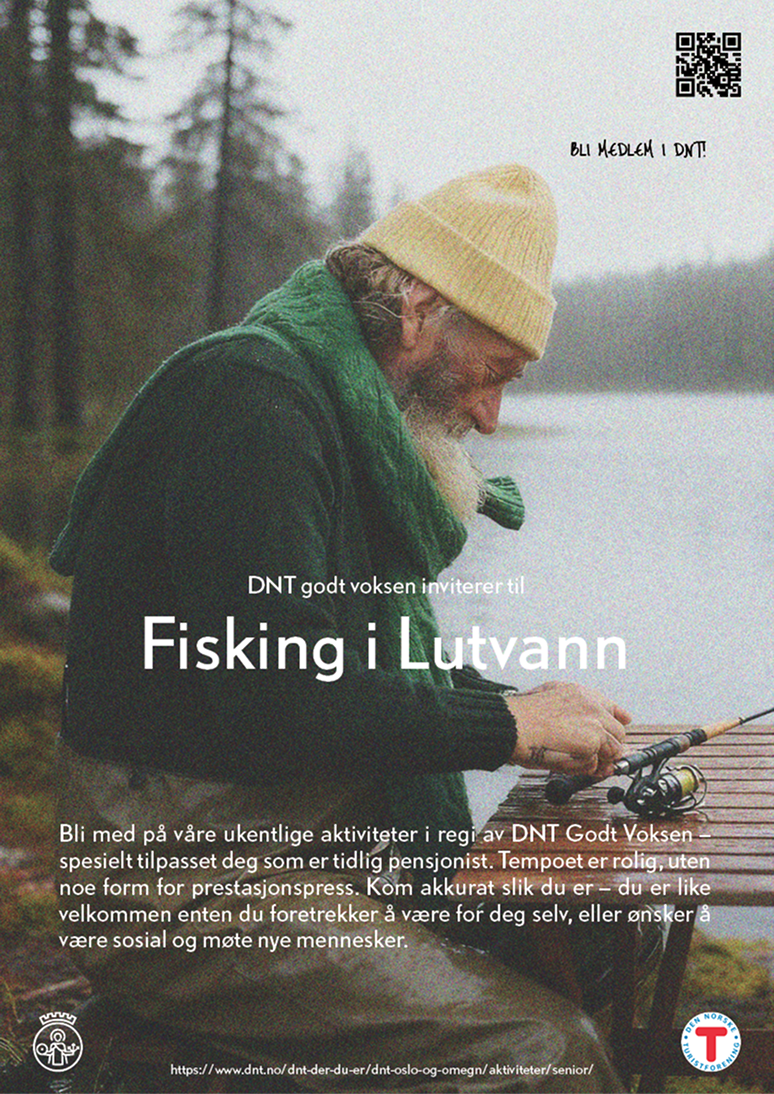
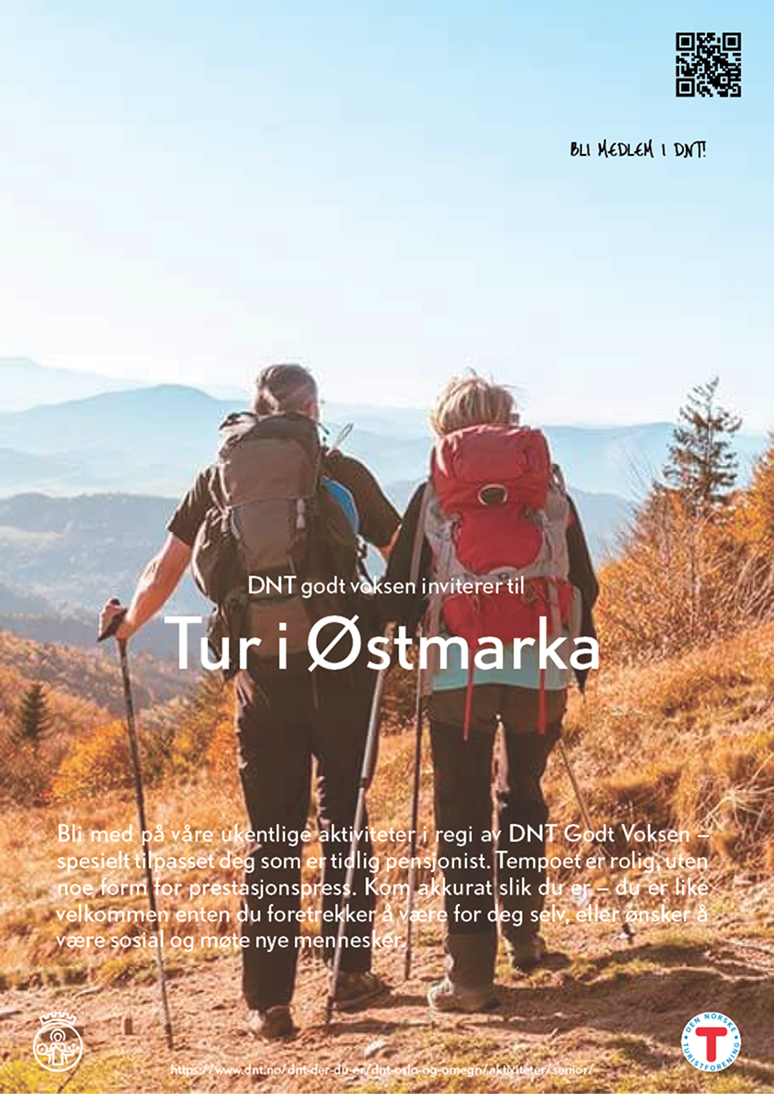
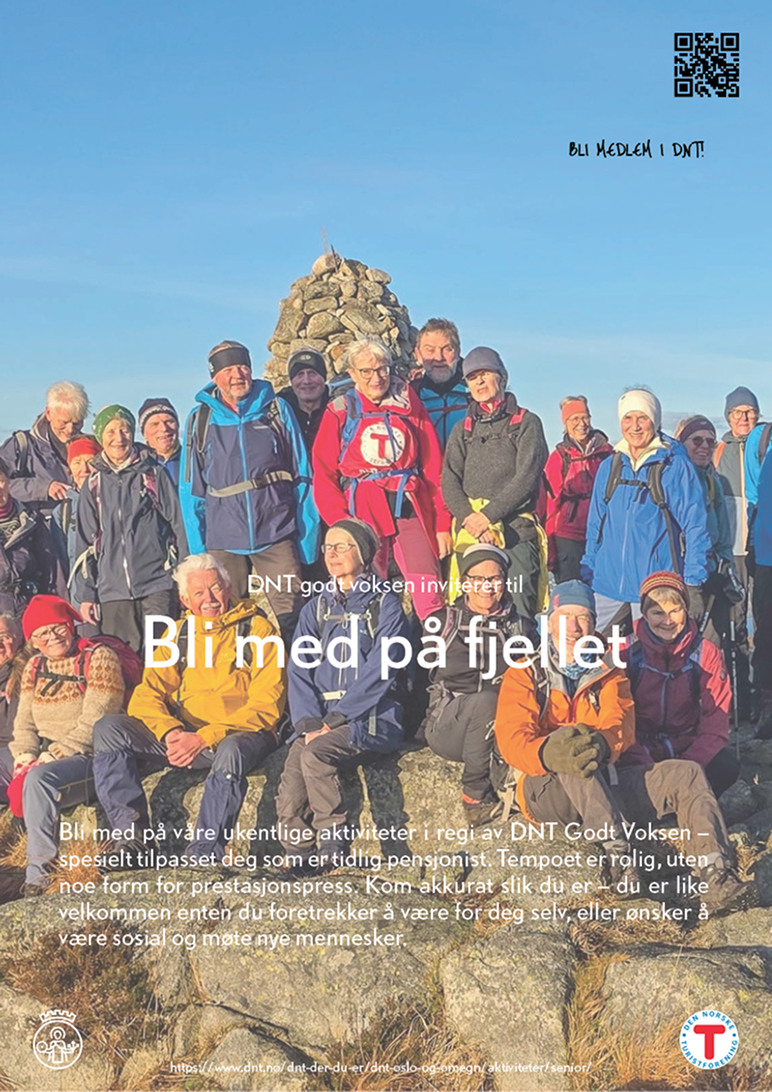
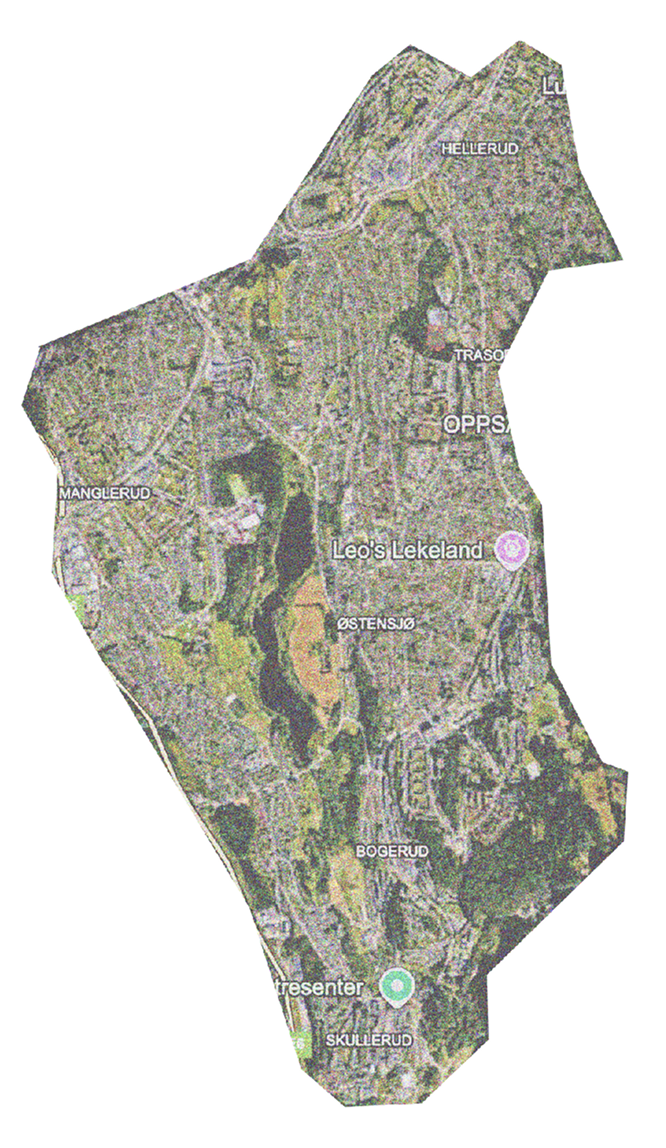
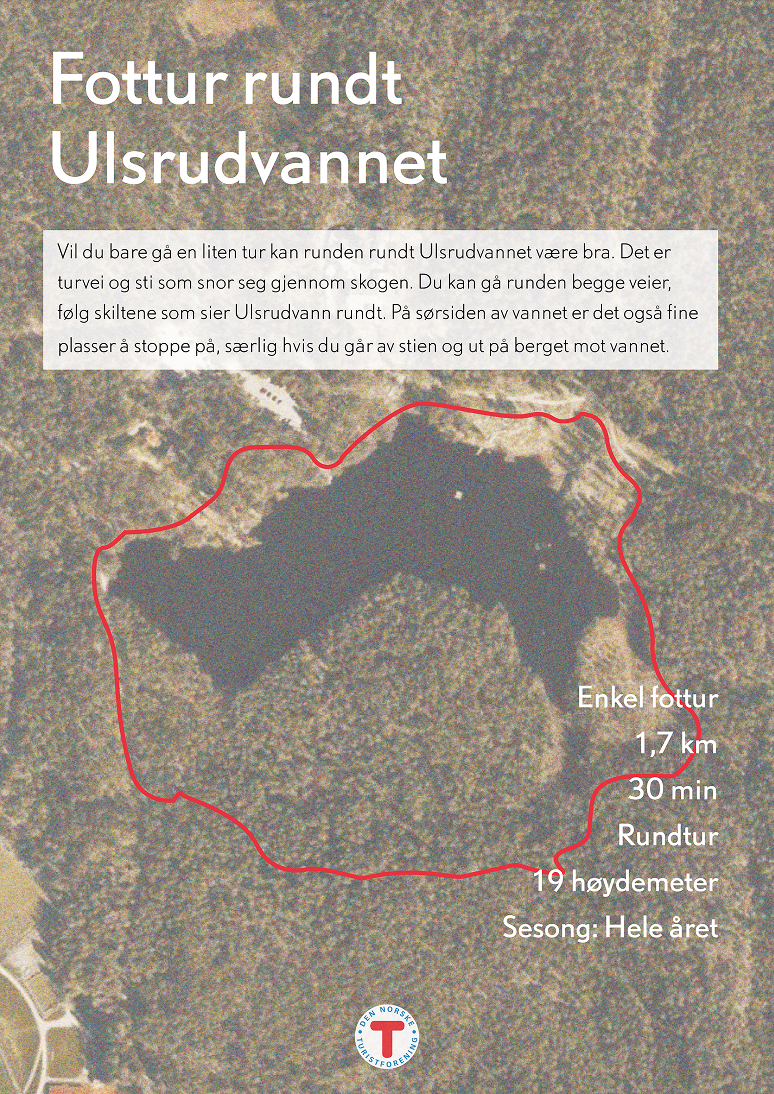
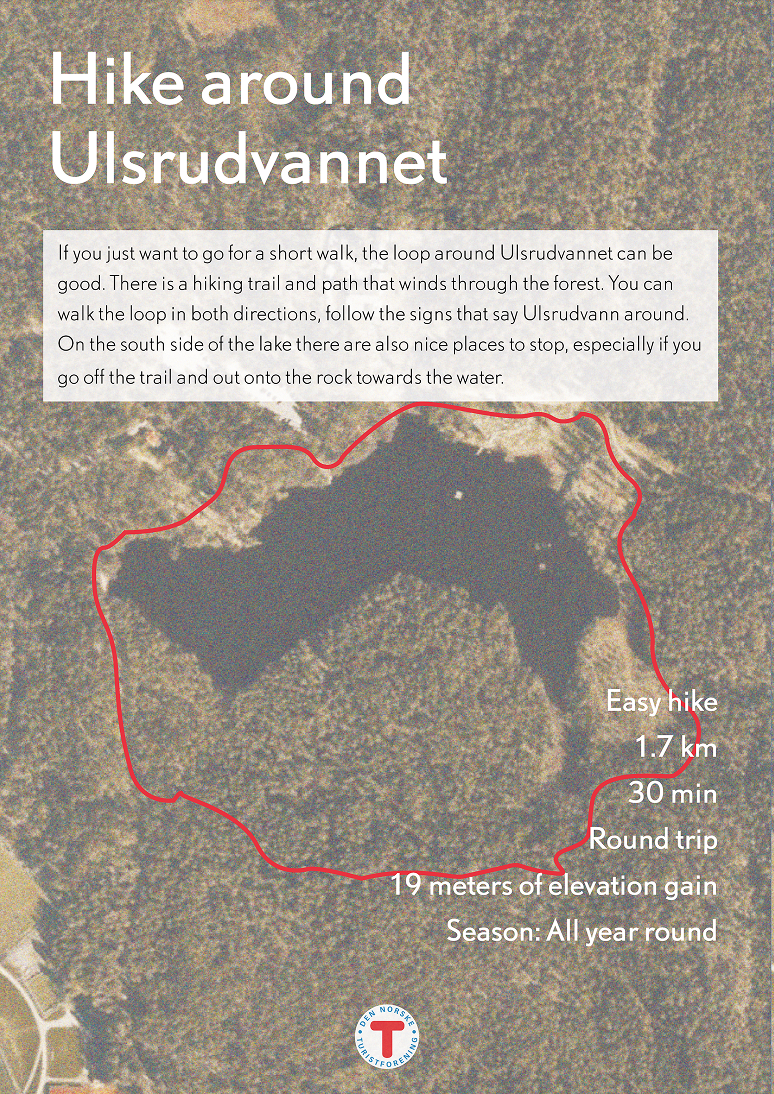
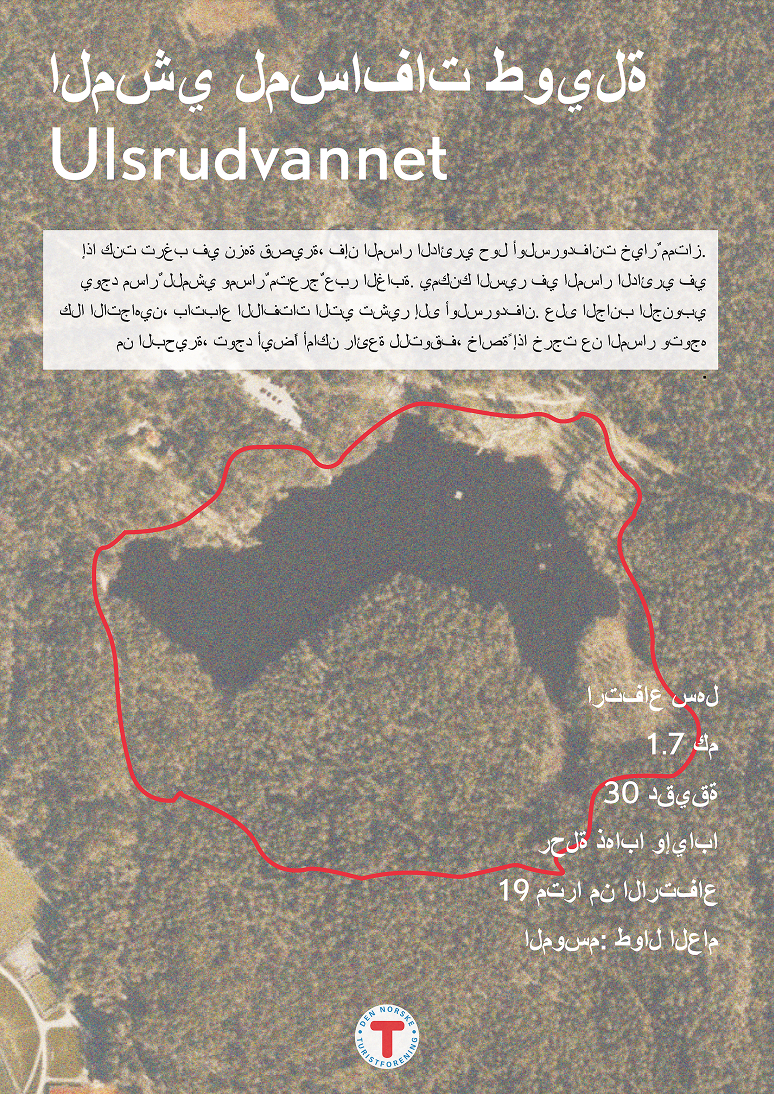
Not everyone is comfortable joining group activities. We therefore designed multilingual posters near local walking routes to introduce walking as an accessible form of physical activity, particularly relevant in Østensjø, where many residents have minority backgrounds.
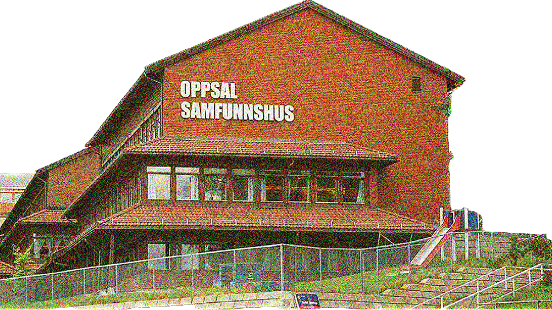
To make the service feel more relevant, we renamed Oppsal Treffsenter 60+, a municipal training center for older adults, to Oppsal Activity House. Together with a broader range of activities and small adjustments to the daily schedule, this could help attract more retirees in need of assisted exercise.
Promote the service through printed materials in places where the target group already spends time, such as GP clinics, shopping centers, hair salons, grocery stores, and pharmacies.
Introduce a more systematic way for doctors to share information about local exercise programs, for example by handing out brochures to all patients over 60.
Train doctors and other health professionals to refer older adults to DNT or local activity houses based on their physical ability and needs.
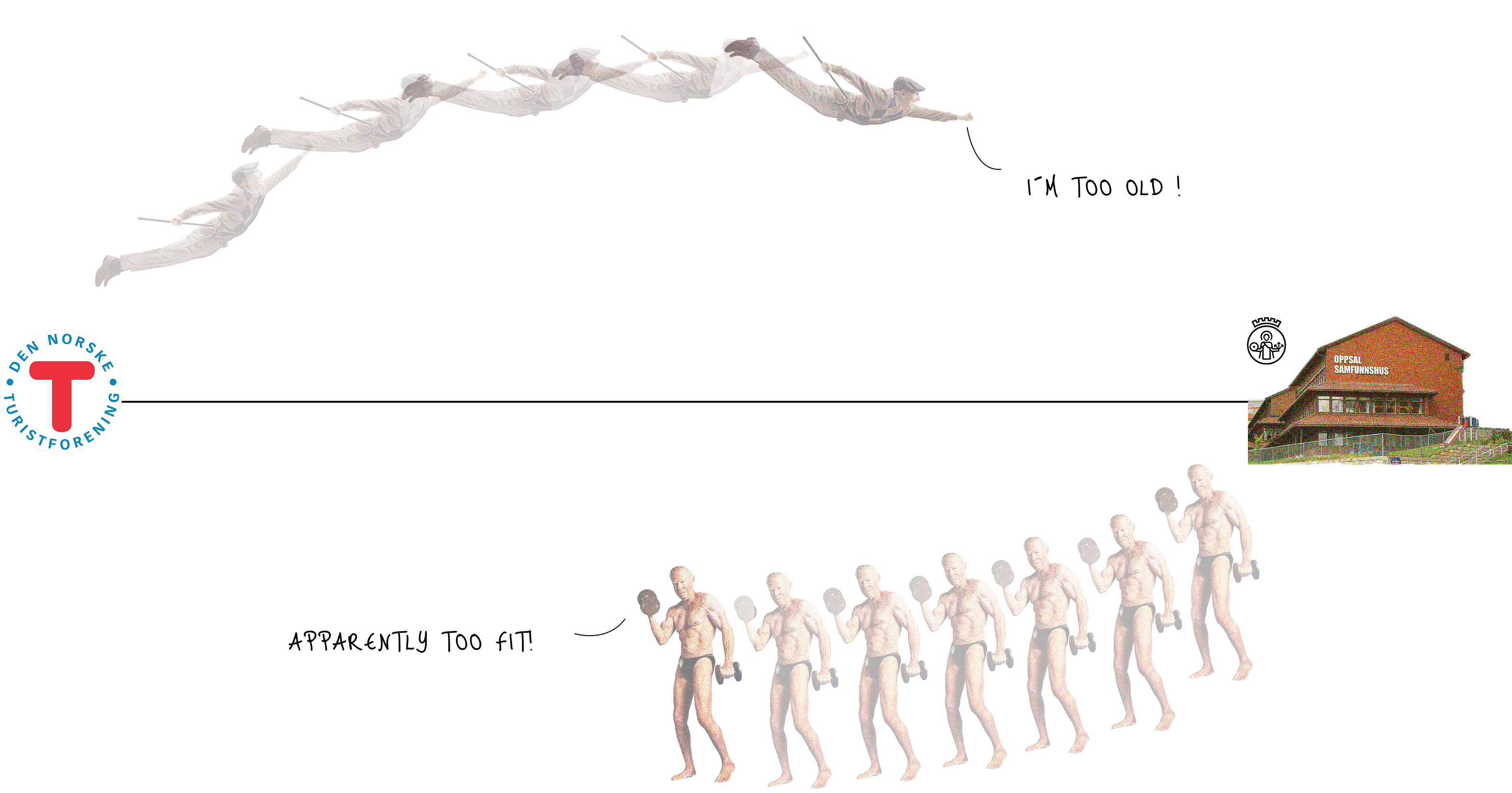
Those who need additional support are referred to local activity houses, while those who do not require individual follow-up can participate in DNT's programs.
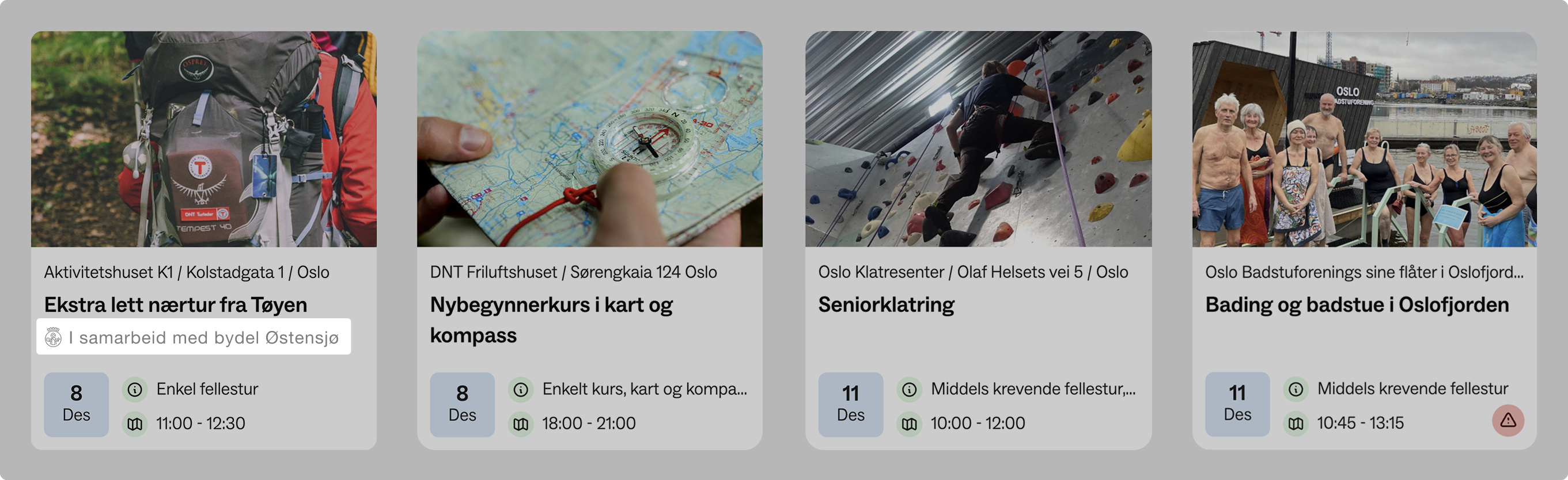
The collaboration would work as a partnership between DNT and Østensjø district.
Selected DNT activities would be sponsored by the district and offered free of charge to residents aged 60–75.
Municipal staff confirmed that the district could contribute facilities, recruitment, equipment, and marketing in return. BUA's existing partnership with DNT also suggests that this type of collaboration is feasible.
User is isolated and physically inactive.
The user receives information where they are, through both analog and digital channels. Their doctor recommends publicly funded exercise programs.
The user is welcomed by DNT’s volunteers and introduced to a wide range of activities that meet different social and physical needs.
When users need assisted training, they are referred to the district’s activity houses — places they already know through DNT events hosted there.
Associated with activity, not care.
My contributions included service design, concept development, interviews, client meetings, drawing user journeys, and the final presentation.
A huge thank you to Kester Hvattum-Hermansen, Ingeborg Tangen, and Frida Braathen.